

The process of deep cleaning a living space represents a comprehensive and meticulous endeavor, distinct from routine maintenance. It targets the accumulation of dirt, grime, and allergens that may elude less thorough cleaning regimens, aiming to restore areas to a pristine state. This guide provides a structured approach to deep cleaning, outlining methods, tools, and considerations for various aspects of a dwelling.
Deep cleaning transcends the superficial, addressing areas often overlooked during regular upkeep. It is a fundamental practice for maintaining a healthful and aesthetically pleasing environment.
A. Distinguishing Deep Cleaning from Regular Cleaning
Regular cleaning, characterized by activities such as daily tidying, sweeping, or wiping surfaces, primarily addresses visible dust and immediate spills. Its objective is to maintain a baseline level of cleanliness. Conversely, deep cleaning involves a more intensive engagement with the environment. It necessitates the relocation of furniture, the disassembling of certain fixtures, and the application of specialized cleaning agents and techniques to penetrate deeply embedded soil and eradicate pathogens. For instance, while a routine cleaning might involve wiping down a countertop, a deep clean would extend to sanitizing the grout lines, cleaning inside the cabinets, and addressing the areas behind appliances. The distinction lies in the depth of penetration and the extent of intervention.
B. Health and Aesthetic Benefits
The advantages of deep cleaning are manifold, encompassing both public health and psychological well-being.
1. Health Implications: Dust, a composite material comprising skin flakes, fabric fibers, pollen, and microscopic organisms such as dust mites, serves as a significant allergen. Periodic deep cleaning drastically reduces the prevalence of these allergens, thereby mitigating symptoms for individuals susceptible to respiratory conditions, including asthma and allergies. Furthermore, areas such as kitchens and bathrooms are fertile grounds for bacterial and fungal proliferation. Deep cleaning, particularly through strongsanitization protocolsstrong and targeted disinfection, effectively curtails the spread of infectious agents. This contributes to a healthier indoor air quality and a reduction in the incidence of illness.
2. Aesthetic Enhancement: Beyond health considerations, a thoroughly deep-cleaned space offers significant aesthetic improvements. Surfaces regain their original luster, textiles appear refreshed, and the entire environment benefits from an invigorating sense of order and cleanliness. This transformation can profoundly influence the perception of one’s home or workspace, fostering an atmosphere of tranquility and productivity. The psychological benefits are tangible, as a clean environment often correlates with reduced stress and enhanced mental clarity.
Deep cleaning is an essential aspect of maintaining a healthy home environment, and for those looking for professional assistance, exploring local maid services can be incredibly beneficial. For more information on how to find convenient residential maid services in your area, you can check out this article: Convenient Residential Maid Service Near Me. This resource provides insights into the advantages of hiring professionals for deep cleaning tasks, ensuring your living space remains spotless and inviting.
II. Strategic Planning and Preparation
Effective deep cleaning necessitates meticulous planning and systematic preparation to optimize efficiency and ensure comprehensive coverage.
A. Developing a Comprehensive Checklist
A detailed checklist functions as a operational blueprint, delineating each task to be performed within specific areas of the dwelling. This structured approach prevents omission and provides a clear trajectory for the cleaning process. The checklist should be granular, specifying tasks such as “dust ceiling fans,” “clean light fixtures,” “wash window treatments,” or “vacuum under heavy furniture.” Categorization by strongroomstrong is often effective, allowing for a systematic progression through the property. The development of such a document transforms the potentially overwhelming task of deep cleaning into a series of manageable objectives.
B. Gathering Essential Tools and Supplies
The efficacy of deep cleaning is directly linked to the appropriateness and quality of the tools and supplies employed. A comprehensive inventory should include:
- Cleaning Agents: This category encompasses strongall-purpose cleanersstrong, specific strongbathroom cleanersstrong (acidic for limescale, alkaline for soap scum), strongkitchen degreasersstrong, glass cleaners, and potentially specialized wood or leather care products.
- Mechanical Tools: strongVacuum cleanersstrong equipped with various attachments (crevice tools, upholstery brushes), strongmicrofiber clothsstrong (superior for dust and streak-free polishing), sponges, scrub brushes, and squeegees for windows.
- Protective Gear: Gloves are indispensable for protecting hands from harsh chemicals and maintaining hygiene. Masks may be necessary when dealing with high concentrations of dust or strong fumes, while eye protection safeguards against chemical splashes.
- Disposal Items: Trash bags are essential for collecting debris and discarded items.
The selection of strongeco-friendly productsstrong should be considered a priority where feasible, balancing effectiveness with environmental responsibility.
C. Decluttering and Pre-Cleaning
Prior to commencing the deep clean, a thorough decluttering phase is imperative. This involves the removal of superfluous items, such as expired products, unused possessions, or accumulated rubbish. The objective is to clear both horizontal and vertical surfaces, thereby providing unimpeded access for cleaning. This stage may necessitate the emptying of drawers, cabinets, and closets to facilitate their subsequent cleaning and reorganization. Pre-cleaning, involving a initial dry dust or vacuum, removes loose debris that might otherwise turn into muddy streaks when wet cleaners are applied. This preliminary step ensures that the deep cleaning agents can act directly on embedded dirt rather than struggling through layers of loose particulate matter.
III. Room-by-Room Deep Cleaning Protocol

A systematic approach, proceeding from one room to the next, enhances efficiency and prevents recontamination.
A. Kitchen: The Culinary Core
The kitchen, being a high-traffic area associated with food preparation, demands extensive deep cleaning to ensure hygiene.
1. Cabinetry and Countertops: Begin by emptying all cabinets and drawers. Wipe interiors with an appropriate strongkitchen cleanerstrong, paying attention to spills or crumbs. The exteriors, including cabinet doors and hardware, should be degreased and polished. Countertops require thorough sanitization, particularly around sinks and food preparation zones.
2. Appliances:
- Oven and Microwave: For ovens, utilize specialized strongoven cleanersstrong (following manufacturer instructions for safety, especially with self-cleaning models), or opt for natural alternatives like baking soda paste. Microwaves can be cleaned by heating a bowl of water and lemon slices, allowing the steam to loosen grime before wiping.
- Refrigerator and Freezer: Empty contents; dispose of expired items. Remove shelves and drawers for separate washing. Clean interior surfaces with a mild disinfectant. Address exterior surfaces, including door seals and handles.
- Dishwasher: Run an empty cycle with a strongdishwasher cleanerstrong or a cup of white vinegar to remove mineral deposits and sanitize.
3. Sink and Disposal: Scrub the sink basin, including faucets and drains, to eliminate grime and disinfect. If equipped, run the stronggarbage disposalstrong with ice, rock salt, and lemon peels to clean and deodorize.
4. Floors: Sweep or vacuum thoroughly, then mop with a suitable strongfloor cleanerstrong, paying attention to grout lines.
B. Bathrooms: Sanctuaries of Hygiene
Bathrooms are conduits for moisture and, consequently, prone to mold and mildew. A rigorous cleaning regimen is essential.
1. Toilets, Sinks, and Showers:
- Toilets: Apply toilet bowl cleaner, allowing adequate dwell time. Scrub thoroughly with a strongtoilet brushstrong. Clean exterior surfaces, including the base, with a disinfectant spray.
- Sinks: Scrub basins, faucets, and drain stoppers. Use a descaler if hard water stains are present.
- Showers/Bathtubs: Apply a strongbathroom cleanerstrong or strongmold removerstrong to all surfaces, including grout and shower curtains/doors. Scrub thoroughly.
2. Mirrors and Fixtures: Clean mirrors with strongglass cleanerstrong for a streak-free finish. Polish chrome fixtures to restore their luster.
3. Ventilation: Clean exhaust fan grilles to improve air circulation and prevent moisture buildup.
4. Floors and Grout: Scrutinize tile grout for discoloration caused by mildew. Apply a stronggrout cleanerstrong and scrub with a stiff brush. Mop the floor, ensuring the cleaner penetrates tile pores without oversaturating the grout.
C. Living Areas and Bedrooms: Comfort Zones
These areas, while often less prone to heavy soiling, harbor significant dust and allergens.
1. Dusting and Wiping: Commence at the highest points, such as ceiling corners and light fixtures, and work downwards. Dust all surfaces, including shelves, picture frames, and electronics, with strongmicrofiber clothsstrong.
2. Upholstery and Draperies: Vacuum upholstery thoroughly, using appropriate attachments. Consider professional strongupholstery cleaningstrong for heavily soiled items. Machine wash or dry-clean draperies and curtains as per fabric care instructions.
3. Windows and Sills: Clean window panes (interior and exterior where accessible) with strongglass cleanerstrong and a squeegee. Wipe down window sills and tracks to remove accumulated dust and debris.
4. Flooring:
- Carpets: Employ a strongcarpet cleanerstrong or steamer to extract embedded dirt and refresh fibers. This is particularly important for homes with pets or high foot traffic.
- Hard Floors: Sweep or vacuum, then mop with a suitable stronghard floor cleanerstrong, ensuring compatibility with the flooring material.
IV. Addressing Neglected Areas and Specific Challenges
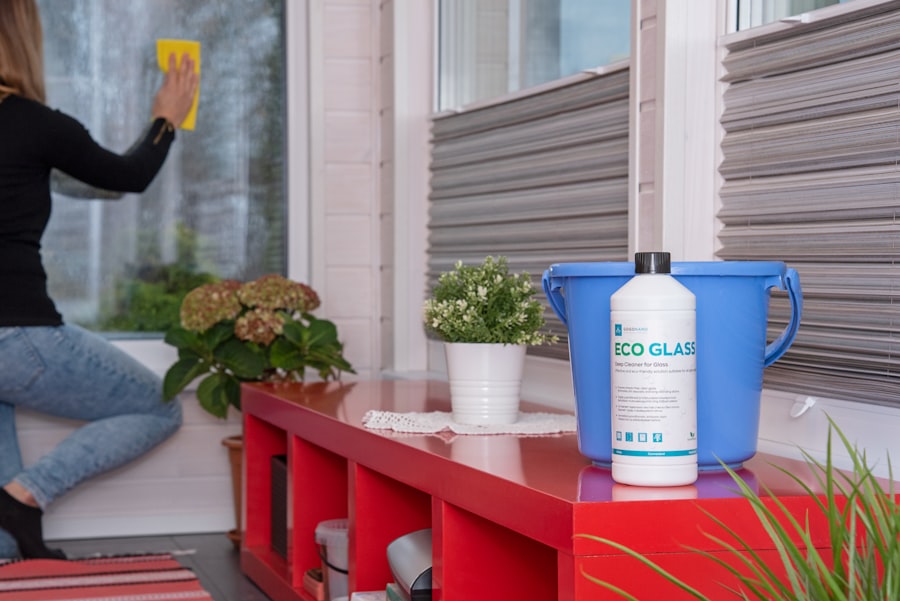
Deep cleaning extends beyond readily observable surfaces, delving into often-forgotten zones.
A. Walls, Baseboards, and Doors
These vertical surfaces accumulate dust, fingerprints, and scuffs. Gently wipe down walls with a damp strongmicrofiber clothstrong and a mild all-purpose cleaner, testing in an inconspicuous area first. Pay particular attention to strongbaseboardsstrong, which often gather significant dust. Clean door frames, doorknobs, and light switch plates, as these are high-touch areas requiring disinfection.
B. Ventilation Systems and Lighting Fixtures
- Vents and Grilles: Remove and wash air conditioning and heating vents. Dusting these components improves air quality and system efficiency.
- Light Fixtures: Disassemble light fixture covers (if safe and practical) and wash them to remove dust and insect accumulation, enhancing illumination. Carefully wipe bulbs.
C. Specialized Cleaning Tasks
- Mattress Sanitization: Vacuum mattresses to remove dust mites and skin flakes. Consider using a strongsteam cleanerstrong for deeper sanitization, ensuring thorough drying to prevent mold.
- Disinfection of Electronics: Utilize specialized strongelectronics cleaning wipesstrong to clean keyboards, monitors, remote controls, and mobile devices, which are significant harbors for microbes.
- Pet Areas: For homes with pets, deep clean pet bedding, toys, and feeding areas. Vacuum pet hair from all surfaces, and address odors with strongpet-specific cleanersstrong.
Deep cleaning is an essential part of maintaining a healthy living environment, and one often overlooked area is your mattress. Regular mattress cleaning can significantly improve your sleep quality and overall well-being. For those interested in professional services, you might find valuable insights in a related article about mattress cleaning that discusses effective methods and the benefits of hiring experts in the field. Taking the time to deep clean your mattress can lead to a fresher and more restful sleep experience.
V. Post-Cleaning Protocols and Maintenance
| Metric | Description | Typical Value | Unit |
|---|---|---|---|
| Duration | Average time taken to complete a deep cleaning session | 3-5 | hours |
| Frequency | Recommended interval between deep cleaning sessions | 6-12 | months |
| Surface Coverage | Percentage of total area thoroughly cleaned | 90-100 | % |
| Disinfectant Concentration | Concentration of disinfectant used during cleaning | 0.1-0.5 | % (solution strength) |
| Particle Removal Efficiency | Effectiveness in removing dust and allergens | 85-95 | % |
| Cost Range | Typical cost for a deep cleaning service | 100-300 | units |
The culmination of deep cleaning efforts is not merely the clean state itself, but the implementation of strategies to prolong its effects.
A. Air Purification and Freshening
Upon completion of cleaning, consider circulating fresh air by opening windows. strongAir purifiersstrong with HEPA filters can further enhance indoor air quality by capturing residual particulate matter. Natural methods like essential oil diffusers or bowls of baking soda can aid in neutralizing lingering odors. The objective is to create an olfactory atmosphere that complements the visual cleanliness.
B. Establishing a Maintenance Routine
A well-structured maintenance routine is the bulwark against rapid re-accumulation of dirt. This involves:
- Daily Tidying: Quick wipe-downs of kitchen counters, making beds, and putting away misplaced items.
- Weekly Tasks: Vacuuming, cleaning bathrooms and kitchens, and dusting visible surfaces.
- Monthly Tasks: More focused cleaning of specific areas, such as detailed floor cleaning or appliance exterior wipes.
This regimented approach transforms deep cleaning from a monumental, infrequent undertaking into a less arduous, cyclical process.
C. Scheduling Future Deep Cleans
The frequency of deep cleaning is contingent upon various factors, including household size, presence of pets, lifestyle, and individual preferences. Generally, a strongbiannual deep cleanstrong (every six months) is recommended. However, households with children, pets, or allergy sufferers may benefit from quarterly deep cleans. Establishing a predefined schedule ensures that the significant investment of time and effort into deep cleaning is periodically renewed, thereby continuously supporting a healthful and aesthetically pleasing environment.
Conclusion
Deep cleaning is not merely a task but a strategic investment in the longevity of one’s living space and the well-being of its occupants. By adhering to a systematic protocol, utilizing appropriate tools, and maintaining a robust schedule, one can effectively revitalize any space, transforming it from a mere dwelling into a meticulously maintained sanctuary. The diligence applied during the deep cleaning process yields enduring benefits, manifesting in improved hygiene, enhanced aesthetics, and a palpable sense of renewed comfort. The ultimate deep clean is therefore a testament to meticulous attention and a commitment to environmental stewardship.
FAQs
What is deep cleaning?
Deep cleaning is a thorough and detailed cleaning process that goes beyond regular cleaning routines. It involves cleaning areas that are often overlooked, such as behind appliances, inside cabinets, and under furniture, to remove dirt, dust, and grime buildup.
How often should deep cleaning be done?
Deep cleaning is typically recommended every 3 to 6 months, depending on the environment and usage of the space. High-traffic areas or homes with pets and allergies may require more frequent deep cleaning.
What areas are usually included in a deep cleaning?
Common areas included in deep cleaning are kitchens (appliances, cabinets, countertops), bathrooms (tiles, grout, fixtures), floors (under furniture, baseboards), and other neglected spots like vents, light fixtures, and window sills.
Can deep cleaning help improve indoor air quality?
Yes, deep cleaning can significantly improve indoor air quality by removing dust, allergens, mold, and bacteria that accumulate over time, reducing respiratory irritants and promoting a healthier living environment.
Is professional deep cleaning necessary, or can it be done at home?
While deep cleaning can be done at home with the right tools and products, professional deep cleaning services offer expertise, specialized equipment, and thoroughness that can save time and ensure a more comprehensive clean.