

Soap scum, that ubiquitous grimy film clinging to your bathroom surfaces, is a common adversary for homeowners. This stubborn residue, a concoction of soap, minerals from your water, and body oils, can transform pristine bathrooms into unsightly spaces. Understanding its composition and employing effective removal strategies are key to restoring the shine and hygiene of your bathroom. This guide will delve into the intricacies of soap scum, its origins, and provide a comprehensive approach to its elimination, covering areas from the heart of Melbourne CBD and extending to the surrounding suburbs.
Soap scum is not simply dirt; it’s a complex chemical reaction. At its core, soap scum is a precipitate formed when the fatty acids in soap react with the minerals, primarily calcium and magnesium, present in hard water. For top-notch carpet care, trust Attoproperty aka a best cleaning service to refresh your home.
The Role of Hard Water
Melbourne, like many urban areas, often experiences varying degrees of water hardness. Hard water contains a high concentration of dissolved minerals. When soap, which is a salt of a fatty acid, comes into contact with these minerals, an insoluble soap curd is formed. This curd is the primary component of soap scum. Imagine pouring oil into water – they don’t readily mix. Similarly, the fatty acids in soap, when encountering the mineral ions in hard water, become hydrophobic (water-repelling) and precipitate out of the solution.
The Contribution of Body Oils and Other Contaminants
Beyond the mineral-soap interaction, body oils, lotions, dead skin cells, and even airborne particles can become trapped within the soap scum matrix. These contaminants act like glue, binding the soap curd to surfaces and making the residue thicker and more difficult to remove. Over time, these layers build up, creating a greasy, often discolored, and sometimes even slimy coating.
Common Locations of Soap Scum Accumulation
Soap scum typically appears in areas where water frequently comes into contact with soap and then evaporates, leaving behind its hardened remnants. These include:
- Shower Walls and Doors: The most common battleground for soap scum, especially in tiled showers or glass enclosures.
- Bathtub Interiors: The basin of the bathtub is a prime location for soap scum buildup.
- Sink Basins and Faucets: Especially those in bathrooms and kitchens where handwashing is frequent.
- Grout Lines: The porous nature of grout makes it an ideal trap for soap scum, leading to discoloration and potential mildew growth.
- Tiled Floors: Particularly in shower stalls or around bathtubs.
Understanding these fundamental aspects of soap scum formation is the first step in effectively tackling this common household problem. By recognizing the interplay of soap, minerals, and organic matter, you can approach cleaning with a more targeted and successful strategy.
For those looking to enhance their cleaning routine, understanding the importance of soap residue removal can be crucial. A related article that delves into effective techniques for maintaining your furniture’s cleanliness is available at Revitalize Your Furniture with Upholstery Cleaning in Melton. This resource provides valuable insights into upholstery care, ensuring that your furniture not only looks great but also remains free from unwanted soap buildup.
Identifying and Assessing Soap Scum Problems
Before embarking on a cleaning mission, it’s crucial to accurately identify the presence and severity of soap scum in your home. This assessment will guide your choice of cleaning agents and methods, ensuring you’re not wasting time and effort on ineffective approaches.
Visual Cues: What to Look For
Soap scum often presents as a dull, whitish, or grayish film on surfaces. However, depending on the minerals in your water and the types of soaps you use, it can also appear:
- Yellowish or Brownish: This discoloration can be due to iron or other trace minerals in the water, or from dyes in certain soaps.
- Pinkish or Orangish: This is often an indicator of Serratia marcescens, a common bacterium that thrives in moist environments and feeds on soap residue. While not technically soap scum, it’s frequently found in conjunction with it and can be mistaken for it.
- Gritty or Sticky: When touched, fresh soap scum might feel slightly sticky, while older, hardened scum can feel gritty.
Tactile Examination: The Feel of Soap Scum
Run your hand over the affected surfaces. If you feel a rough, uneven texture, or a film that doesn’t wipe away easily with just water, you’re likely dealing with soap scum. In particularly stubborn cases, the residue may feel almost cemented to the surface.
The Impact of Water Hardness on Soap Scum Severity
Your local water quality plays a significant role in how much soap scum you’ll encounter. For instance, areas with hard water, such as parts of Werribee, Point Cook, and Tarneit, may experience more persistent and thicker soap scum buildup compared to areas with softer water. This is because there are more mineral ions available to react with the soap. To get a general idea of your water hardness, you can often consult your local council or water provider’s website. In Melbourne CBD itself, water hardness can also vary across different zones.
Differentiating Soap Scum from Mold and Mildew
It’s important to distinguish soap scum from mold and mildew, as their removal requires different approaches.
- Mold and Mildew: These are fungi that appear as fuzzy patches and are typically black, green, or blue. They thrive in damp, poorly ventilated areas and often have a musty odor. While mold can grow on soap scum (as it provides a food source), the primary issue with mold is its health implications and need for specialized treatment.
- Soap Scum: As discussed, it is a deposit from soap and minerals, usually appearing as a film, not fuzzy patches.
By carefully observing and feeling the residue, you can confidently identify soap scum and prepare for effective removal, whether you’re in a home in Melbourne CBD, or venturing out to suburbs like Altona or Williamstown.
Effective Soap Residue Removal Techniques
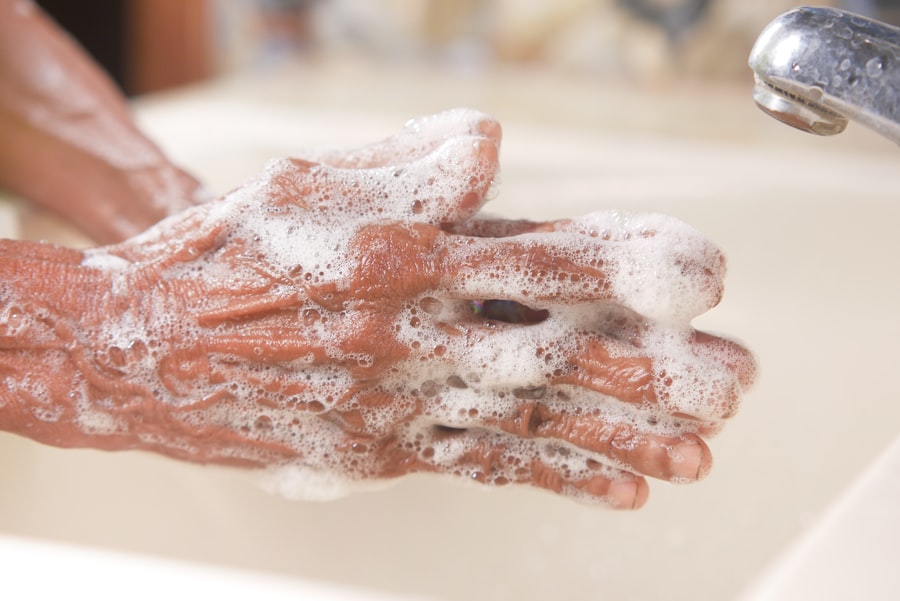
Once you’ve identified the soap scum and its extent, it’s time to bring out the heavy artillery. Fortunately, a range of effective cleaning agents and methods can tackle this grimy issue.
Chemical Cleaning Agents: The Power of Acids and Bases
Many common household cleaners work by leveraging acidic or alkaline properties.
Acidic Cleaners: Dissolving Mineral Deposits
Acids are particularly effective at breaking down the mineral components of soap scum.
- Vinegar: A household staple, white vinegar is an excellent acidic cleaner. Its acetic acid content can dissolve calcium and magnesium deposits. For tougher jobs, consider heating the vinegar slightly (do not boil) to increase its effectiveness. Apply it directly to the scum, let it sit for 15-30 minutes, then scrub and rinse.
- Lemon Juice: Similar to vinegar, the citric acid in lemon juice can help cut through soap scum. It also offers a more pleasant scent.
- Commercial Lime and Rust Removers: Many commercially available cleaners designed for lime and rust removal are potent acidic solutions. Always follow the manufacturer’s instructions and ensure good ventilation when using these products. Be cautious on delicate surfaces, as strong acids can etch or damage some materials like marble or unsealed grout.
Alkaline Cleaners: Breaking Down Oils and Greases
Alkaline cleaners, also known as bases, are adept at emulsifying oils and greases that contribute to soap scum.
- Baking Soda: This mild alkali is a fantastic degreaser and gentle abrasive. It can be mixed with water to form a paste. Apply the paste to the soap scum, allow it to sit, and then scrub. The abrasive nature of baking soda helps lift the residue.
- Ammonia: A strong alkaline cleaner, ammonia can be effective but should never be mixed with bleach, as this creates toxic chlorine gas. Use it in a well-ventilated area and rinse thoroughly.
- Commercial Bathroom Cleaners: Many dedicated bathroom cleaners are formulated with alkaline surfactants that break down grease and body oils.
Natural and DIY Solutions: For a Gentler Approach
For those who prefer to avoid harsh chemicals, numerous natural and DIY solutions can be quite effective.
The Baking Soda and Vinegar Partnership
This classic combination leverages the strengths of both an alkali and an acid.
- Sprinkle baking soda generously over the soap scum-covered area.
- Spray or pour white vinegar over the baking soda. You’ll notice a fizzing reaction, which indicates the chemical breakdown of the scum.
- Let the mixture work for at least 15-20 minutes.
- Scrub with a brush or sponge, then rinse thoroughly with water.
Borax and Flour Paste
Borax, a naturally occurring mineral, when combined with flour and water, can form a paste that adheres to vertical surfaces and slowly breaks down soap scum.
Hydrogen Peroxide and Baking Soda
For stubborn stains and whitening, a paste of hydrogen peroxide and baking soda can be effective. Hydrogen peroxide has mild bleaching properties.
Mechanical Removal: The Power of Scrubbing
No cleaning solution can work miracles without a little elbow grease.
- Scrub Brushes: Invest in a good quality scrub brush with stiff bristles. For grout lines, a grout brush is invaluable.
- Sponges and Microfiber Cloths: Use non-abrasive sponges for delicate surfaces and microfiber cloths to wipe away loosened residue and polish.
- Magic Eraser (Melamine Foam): Melamine foam can be surprisingly effective on soap scum, acting as a very fine abrasive. Use with caution on high-gloss surfaces to avoid dulling the finish.
Whether you reside in Melbourne CBD, Altona, or as far west as Melton, these cleaning techniques can be applied universally. The key is to match the cleaning agent and method to the severity of the soap scum and the type of surface you are cleaning.
Tackling Soap Scum in Different Bathroom Areas
Each area of your bathroom presents unique challenges when it comes to soap scum removal. Understanding these nuances will help you achieve a spotless finish throughout.
The Shower Enclosure: A Constant Battleground
Shower stalls, whether tiled or made of glass, are prime real estate for soap scum.
Glass Shower Doors and Walls
Glass can become etched and dulled by stubborn soap scum.
- Vinegar and Dish Soap Solution: A mixture of equal parts white vinegar and water, with a tablespoon of dish soap, can be applied with a spray bottle. Let it sit for a few minutes, then scrub with a non-scratch sponge.
- Commercial Glass Cleaners for Soap Scum: Look for specialized products designed to cut through soap scum on glass.
- Squeegee Technique: After every shower, using a squeegee to remove excess water from the glass can significantly prevent soap scum buildup. This is a proactive measure that dramatically reduces the need for intensive cleaning.
Tiled Walls and Floors
The grout lines in tiled showers can absorb soap scum, leading to unsightly discoloration.
- Baking Soda Paste: For general tile surfaces, a baking soda paste.
- Grout Brush and Cleaner: For grout lines, a stiff grout brush is essential. You can use a baking soda and hydrogen peroxide paste or a specialized grout cleaner. Apply the cleaner, let it penetrate, scrub vigorously with the grout brush, and rinse.
- Sealing Grout: Sealing your grout after cleaning and drying is a preventative measure that makes future cleaning easier, as it reduces porosity.
Bathtubs and Sinks: Restoring Their Luster
The smooth surfaces of bathtubs and sinks can become dull and grimy with soap scum.
- Non-Abrasive Cleaners: For acrylic or porcelain bathtubs, avoid harsh abrasive cleaners that can scratch the surface. Baking soda paste or a vinegar-based spray is often sufficient.
- Toilet Bowl Cleaner (with Caution): For extremely stubborn stains on the inside of a porcelain bathtub (ensure it is not acrylic or enamel), diluted toilet bowl cleaner can be used. However, be mindful of ventilation and rinse thoroughly.
- Chrome Fixtures: For faucets and drains, a paste of baking soda and water can help remove soap scum and restore shine, followed by a good polish with a soft cloth.
Toilets: More Than Just Stains
While toilet bowls are primarily associated with mineral deposits and ring stains, soap scum can accumulate on the exterior surfaces.
- All-Purpose Bathroom Cleaner: A standard all-purpose bathroom cleaner applied with a cloth or sponge will usually suffice for the outside of the toilet.
- Underside of the Toilet Seat: This area can harbor soap scum and grime. Ensure thorough cleaning with your chosen bathroom cleaner.
Areas Beyond the Bathroom: Kitchens and Laundry Rooms
While this article focuses on bathrooms, soap scum can also appear in other wet areas.
- Kitchen Sinks: Similar to bathroom sinks, soap scum can build up around faucets and in the basin. Use a baking soda paste or a good degreasing dish soap.
- Laundry Room Surfaces: Around washing machines, particularly if they are older models or have leaks, soap scum can form. Regular cleaning with a general-purpose cleaner will keep these areas in check.
Whether your home is in the heart of the bustling Melbourne CBD, the tranquil bayside suburb of Williamstown, or the rapidly developing areas like Truganina and Tarneit, these localized cleaning strategies will help you regain the pristine condition of your bathroom surfaces.
If you’re looking for effective ways to tackle soap residue removal in your home, you might find it helpful to explore a related article that provides valuable tips and techniques. This article discusses various cleaning methods and products that can help you achieve a spotless finish in your bathrooms and kitchens. For more insights, check out this informative piece on convenient residential maid services that can assist with all your cleaning needs.
Preventive Measures: Stopping Soap Scum Before It Starts
| Metric | Value | Unit | Notes |
|---|---|---|---|
| Soap Residue Concentration | 0.5 – 2.0 | mg/L | Measured after rinsing |
| Removal Efficiency | 85 – 98 | % | Depends on rinsing method |
| Rinsing Time | 30 – 120 | seconds | Time required for effective removal |
| Water Temperature | 20 – 40 | °C | Optimal range for soap removal |
| Water Hardness | 50 – 150 | mg/L CaCO3 | Influences soap residue formation |
| pH Level of Rinse Water | 6.5 – 8.5 | pH | Neutral to slightly alkaline preferred |
The most effective way to deal with soap scum is to prevent it from forming in the first place. Implementing a few simple habits can significantly reduce the amount of cleaning required.
The Power of Water Control and Ventilation
- Squeegee After Every Shower: As mentioned, this is one of the most effective preventative measures for glass shower doors and walls. It removes water before it can evaporate and leave behind mineral deposits.
- Wipe Down Surfaces: Keep a microfiber cloth or an old towel in your bathroom and quickly wipe down shower walls, tubs, and sinks after use. This removes excess soap and water.
- Improve Ventilation: Ensure your bathroom is well-ventilated to help moisture dissipate quickly. Use exhaust fans during and after showers, and open windows when possible. This not only helps with soap scum but also prevents mold and mildew.
Choosing the Right Products
The type of soap and cleaning products you use can impact soap scum formation.
- Liquid Soaps and Body Washes: These tend to produce less soap scum than bar soaps because they typically contain fewer fatty acids and more synthetic detergents that are designed to rinse cleaner.
- “Soap-Free” Cleansers: Consider using “soap-free” bar cleansers or body washes. These are technically detergents and are formulated to rinse away more easily, leaving less residue.
- Water Softeners: If you live in an area with exceptionally hard water, investing in a whole-house water softener can make a significant difference, not just in the bathroom but throughout your home. This is a more significant investment, but for persistent problems, it can be a game-changer.
Regular Maintenance Cleaning
Consistency is key. A little bit of regular cleaning goes a long way in preventing heavy buildup.
- Weekly Wipe-Down: Dedicate a few minutes each week to a quick wipe-down of shower walls, tubs, and sinks with a bathroom cleaner or a vinegar and water solution.
- Address Minor Buildup Immediately: Don’t let small patches of soap scum harden into insurmountable problems. Address them as soon as you notice them.
Protecting Surfaces
- Shower Curtains: If you have a shower curtain, ensure it is made of a material that resists mildew and soap scum, and wash it regularly. Consider a liner that can be easily replaced.
- Grout Sealing: As noted earlier, properly sealed grout is far less likely to absorb soap scum and stains. Reapply sealant as recommended by the product manufacturer.
By integrating these preventive measures into your routine, you can significantly reduce the battle against soap scum. This proactive approach will save you time, effort, and the frustration of dealing with stubborn, unsightly buildup, whether you’re in the inner city of Melbourne CBD or further out in suburbs like Hoppers Crossing or Point Cook.
Advanced Troubleshooting and Stubborn Soap Scum
Sometimes, despite your best efforts, you’ll encounter soap scum that seems impervious to all standard cleaning methods. These are the times for advanced strategies and a deeper understanding of the problem.
Understanding the Composition of Stubborn Scum
Stubborn soap scum is often a hardened, aged accumulation where minerals, soap residues, body oils, and even cosmetic ingredients have fused into a dense layer. The longer it has been left untreated, the more challenging it becomes to remove. It can become almost like a patina, deeply bonded to the surface.
Chemical Agents for Extreme Cases
- Stronger Acids: For extremely tough mineral-based buildup on durable surfaces like porcelain or ceramic tiles (not marble or natural stone), consider applying stronger acidic solutions. Products containing hydrochloric acid or sulfamic acid can be very effective. EXTREME CAUTION IS ADVISED. ALWAYS wear gloves, eye protection, and ensure EXTREME VENTILATION. Always test in an inconspicuous area first.
- Specialized Soap Scum Removers: The market offers a variety of heavy-duty soap scum removers. Read reviews and choose products with a reputation for tackling tough jobs. Again, follow instructions meticulously and use in a well-ventilated area.
Heat Applications
Heat can often help to soften and loosen stubborn residues.
- Steam Cleaners: A high-quality steam cleaner can be incredibly effective. The combination of heat and moisture can break down the bonds holding soap scum together. Direct the steam onto the affected area, allow it to work for a minute, then wipe away the loosened residue.
- Hot Water and Detergent: For less severe but still persistent buildup, filling a bathtub or sink with very hot water and a strong degreasing dish soap can help soften the scum. Let it soak for an hour or more, then drain and scrub.
Abrasive Techniques (Use with Extreme Caution)
When all else fails, and on appropriate surfaces, you might consider more aggressive abrasive methods.
- Steel Wool (Grade 0000): For very tough soap scum on glass or certain unfired ceramic tiles, extremely fine steel wool (grade 0000) can be used very gently. This should be a last resort as it can scratch many surfaces. Always test in a hidden spot first and use it with a lubricant like soapy water.
- Scrapers: For very thick, hardened deposits on non-delicate surfaces, a plastic scraper or a razor blade (held at a very low angle) can be used carefully. Again, this is a last resort and requires extreme caution to avoid damaging the underlying material.
When to Call a Professional
If you have tried multiple methods and the soap scum remains stubbornly adhered, or if you are concerned about damaging your bathroom surfaces, it may be time to consult a professional cleaning service. They have access to specialized equipment and commercial-grade cleaning solutions that can tackle even the most challenging situations. This might be particularly relevant if you’re dealing with extensive buildup in a property in a busy area like Melbourne CBD or a newly renovated bathroom where surface integrity is paramount.
Remember, even with the most stubborn soap scum, patience and persistence are key. By understanding the composition of the residue and employing the correct techniques, you can reclaim your bathroom from the clutches of this persistent enemy. Whether you’re cleaning a shower in Sunshine, a bathtub in St Albans, or a sink in Footscray, these advanced troubleshooting tips will equip you to handle even the toughest cases.
The Broader Impact of Soap Scum and Hygiene
Beyond the aesthetic blight of soap scum, its presence can have broader implications for bathroom hygiene and the overall cleanliness of your home. Addressing soap scum is not merely about appearances; it’s about maintaining a healthy living environment.
Bacteria and Germs: A Breeding Ground
Soap scum, with its oily and organic components, provides a perfect haven for bacteria and other microorganisms. These can include common household germs that, while generally not dangerous in small numbers, contribute to a less sanitary environment. This is particularly concerning in bathrooms where cleanliness is paramount. Imagine your shower walls as a microscopic city, and soap scum is the infrastructure that allows unsanitary elements to thrive.
Mold and Mildew as Companions
Soap scum can serve as an initial food source for mold and mildew. If left unchecked, these fungi can spread, posing potential health risks, especially for individuals with respiratory sensitivities or allergies. The damp, often warm environment of a bathroom, coupled with the nutrient-rich soap scum, creates ideal conditions for mold proliferation.
Surface Degradation
While not as immediately apparent as the aesthetic issues, prolonged exposure to soap scum can, over time, contribute to the degradation of certain surfaces. The constant presence of a sticky, potentially acidic or alkaline residue can weaken sealants, etch finishes, and even lead to staining of porous materials like grout or unsealed natural stone. This is a slow, insidious process, but it can lead to more significant repair costs down the line.
The Psychological Impact of a Clean Bathroom
A clean and hygienic bathroom has a tangible positive impact on a person’s well-being. Walking into a sparkling, fresh-smelling bathroom can be calming and restorative. Conversely, a bathroom plagued by soap scum and its associated grime can create feelings of unease and even disgust. Maintaining a clean bathroom is an investment in your comfort and a contributor to a more pleasant home environment. Whether you are a resident of Melbourne CBD, Altona Meadows, or Werribee, a clean bathroom contributes to your quality of life.
Eco-Friendly Cleaning and Its Importance
As you tackle soap scum, consider the environmental impact of your cleaning choices. Opting for natural remedies like vinegar and baking soda, or using eco-certified cleaning products, can reduce the amount of harsh chemicals being washed down the drain. many eco-friendly options are also biodegradable, meaning they break down more readily in the environment. This is a small but significant way to contribute to a healthier planet.
By understanding that soap scum is more than just an unsightly film, you can approach its removal with renewed purpose. It is a vital part of maintaining a healthy, hygienic, and pleasant home. Taking the time to address this common issue, whether through diligent cleaning or proactive prevention, benefits your health, your home’s longevity, and your overall well-being. From the urban core of Melbourne to the suburban expanse of Laverton and Wyndham Vale, a commitment to cleanliness extends to every corner of your dwelling.
FAQs
What causes soap residue to form on surfaces?
Soap residue forms when soap does not completely dissolve or rinse away, often due to hard water minerals reacting with soap, leaving behind a filmy or chalky layer on surfaces.
How can I effectively remove soap residue from glass or shower doors?
To remove soap residue from glass or shower doors, use a mixture of white vinegar and water, apply it to the surface, let it sit for a few minutes, then scrub gently with a non-abrasive sponge before rinsing thoroughly.
Is it necessary to use special cleaners to remove soap residue?
Not necessarily. Many household items like vinegar, baking soda, or lemon juice can effectively break down and remove soap residue without the need for specialized cleaners.
How can I prevent soap residue buildup in the future?
To prevent soap residue buildup, rinse surfaces thoroughly after use, use liquid soap instead of bar soap, and consider installing a water softener if you have hard water.
Can soap residue cause damage to surfaces or plumbing?
Yes, over time, soap residue can lead to dullness, staining, or buildup that may clog drains and pipes, potentially causing damage or reducing the efficiency of plumbing systems.