

Home disinfection has become a crucial aspect of maintaining a healthy living environment, especially in light of recent global health challenges. As we navigate through life, our homes serve as sanctuaries where we seek comfort and safety.
However, they can also harbor harmful germs and bacteria that pose risks to our health.
Understanding the importance of home disinfection is essential for everyone who wants to create a safe space for themselves and their loved ones. Incorporating regular disinfection practices into your cleaning routine can significantly reduce the spread of illnesses. It’s not just about cleaning; it’s about ensuring that every surface is free from pathogens that can lead to infections.
As an industry leader in home hygiene, we emphasize the need for effective disinfection methods that are both safe and efficient. By prioritizing home disinfection, you’re not only protecting your family but also contributing to the overall well-being of your community.
Key Takeaways
- Proper home disinfection is essential for maintaining a clean and healthy living environment.
- Disinfecting surfaces and high-touch areas regularly can help prevent the spread of germs and viruses.
- Using disinfectant sprays and wipes is an effective way to quickly and easily disinfect commonly used surfaces.
- Disinfecting floors and carpets is important for removing dirt, germs, and allergens from the home.
- Household items and electronics should be regularly disinfected to prevent the spread of bacteria and viruses.
Disinfecting Surfaces and High-Touch Areas
Choosing the Right Disinfectant
Regularly wiping these areas with appropriate disinfectants can help eliminate harmful microorganisms. To effectively disinfect these surfaces, it’s essential to use products that are proven to kill viruses and bacteria. Look for disinfectants that meet EPA standards and are labeled as effective against specific pathogens.
Proper Application is Key
When applying these products, ensure that you follow the manufacturer’s instructions for contact time—this is the duration the surface should remain wet with the disinfectant to achieve maximum efficacy.
Reducing the Risk of Illness
By focusing on high-touch areas, you can significantly reduce the risk of illness in your home.
Using Disinfectant Sprays and Wipes
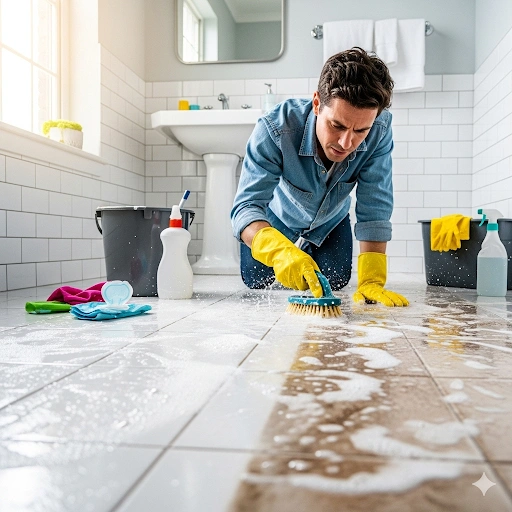
Using disinfectant sprays and wipes is one of the most convenient ways to maintain a clean environment. These products are designed for quick application and can be used on various surfaces, making them ideal for busy households. Disinfectant wipes are particularly popular because they require no additional tools; simply grab a wipe and start cleaning.
When using disinfectant sprays, it’s important to spray evenly across the surface and allow it to sit for the recommended time before wiping it away. This ensures that the disinfectant has enough time to kill any germs present. For wipes, make sure to use a fresh wipe for each surface to avoid cross-contamination.
By incorporating these products into your cleaning routine, you can easily keep your home sanitized and safe.
Disinfecting Floors and Carpets
| Disinfecting Floors and Carpets | Metrics |
|---|---|
| Surface Area Cleaned | 1000 sq. ft. |
| Disinfectant Used | 5 liters |
| Cleaning Time | 2 hours |
| Frequency | Weekly |
Disinfecting floors and carpets is often overlooked but is equally important in maintaining a hygienic home. Floors can accumulate dirt, dust, and germs over time, especially in high-traffic areas. Regular sweeping or vacuuming is essential, but it’s not enough to ensure complete disinfection.
For hard floors, using a mop with a disinfectant solution can effectively eliminate germs. Make sure to choose a disinfectant that is safe for your specific flooring type. For carpets, consider using a steam cleaner or a carpet cleaner with disinfecting properties.
Steam cleaning not only cleans but also sanitizes by using high temperatures to kill bacteria. By paying attention to your floors and carpets, you can create a cleaner environment that promotes health and well-being.
Disinfecting Household Items and Electronics
Disinfecting household items and electronics is crucial in today’s tech-driven world. Items such as remote controls, smartphones, and kitchen gadgets are frequently handled but often neglected during cleaning routines. These items can harbor germs that may lead to illness if not properly disinfected.
When disinfecting electronics, it’s important to use products that are safe for these devices. Many manufacturers recommend using alcohol-based wipes or sprays that contain at least 70% isopropyl alcohol. Avoid using harsh chemicals that could damage screens or surfaces.
For household items like toys or kitchen utensils, ensure they are made from materials that can withstand disinfectants without degrading. By regularly disinfecting these items, you can help prevent the spread of germs in your home.
Natural and DIY Disinfectant Solutions
Household Ingredients with Disinfecting Properties
For instance, vinegar and baking soda are known for their cleaning abilities and can be combined to create an effective disinfectant.
Essential Oils as a DIY Solution
Another popular DIY solution involves using essential oils like tea tree oil or lavender oil, which have antimicrobial properties.
Mixing these oils with water or vinegar can create a pleasant-smelling disinfectant spray.
Important Considerations
However, it’s important to note that while natural solutions can be effective against some germs, they may not be as potent as commercial disinfectants against all pathogens. Always research the effectiveness of your chosen ingredients before relying solely on them for disinfection.
Disinfecting Laundry and Linens
Disinfecting laundry and linens is an often-overlooked aspect of home hygiene but is vital for preventing the spread of germs. Bed linens, towels, and clothing can harbor bacteria and viruses, especially if someone in the household is ill. To ensure your laundry is properly disinfected, consider using hot water settings when washing items that can withstand high temperatures.
Adding a disinfectant laundry additive can also enhance the cleaning process. Look for products specifically designed for laundry disinfection that are safe for use with your fabrics. Additionally, make sure to dry items thoroughly, as moisture can promote bacterial growth.
By incorporating these practices into your laundry routine, you can ensure that your linens are not only clean but also free from harmful pathogens.
Tips for Maintaining a Clean and Disinfected Home
Maintaining a clean and disinfected home requires consistency and dedication. Establishing a regular cleaning schedule can help ensure that all areas of your home receive attention on a routine basis. Consider designating specific days for deep cleaning tasks such as disinfecting bathrooms or kitchens.
In addition to regular cleaning, encourage family members to practice good hygiene habits such as washing hands frequently and using hand sanitizers when necessary. Keeping cleaning supplies readily available can also motivate everyone in the household to participate in maintaining cleanliness. By fostering a culture of cleanliness within your home, you’ll create an environment that prioritizes health and well-being.
In conclusion, home disinfection is an essential practice that contributes significantly to the health of your family and community. By implementing effective disinfection methods across various surfaces and items in your home, you can create a safer living environment. Remember to stay informed about best practices in home hygiene and adapt your cleaning routines as needed.
For more tips on maintaining a clean home, explore our other articles or contact us today!
FAQs
What are the common household disinfectants?
Common household disinfectants include bleach, hydrogen peroxide, alcohol-based cleaners, and quaternary ammonium compounds.
How do I disinfect surfaces in my house?
To disinfect surfaces in your house, first clean the surface with soap and water, then apply a disinfectant and let it sit for the recommended contact time before wiping it off.
How often should I disinfect my house?
It is recommended to disinfect high-touch surfaces in your house, such as doorknobs, light switches, and countertops, at least once a day, especially during flu season or when someone in the household is sick.
Can I use vinegar to disinfect my house?
While vinegar has some disinfectant properties, it is not as effective as commercial disinfectants and may not kill certain types of bacteria and viruses. It is best to use a EPA-approved disinfectant for thorough disinfection.
Should I wear gloves when disinfecting my house?
It is recommended to wear gloves when using disinfectants to protect your skin from irritation or potential chemical exposure. Be sure to follow the instructions on the disinfectant label for proper usage and safety precautions.