

When it comes to maintaining the cleanliness and appearance of your property, DIY pressure washing offers a multitude of benefits. One of the most significant advantages is the cost savings associated with doing it yourself. Hiring a professional pressure washing service can be expensive, especially for larger areas like driveways or decks. By investing in your own pressure washer, you not only save money but also gain the flexibility to clean whenever you need to.
This means you can tackle dirt, grime, and mildew on your schedule, ensuring your home always looks its best. Another benefit of DIY pressure washing is the satisfaction that comes from completing a project on your own. There’s a unique sense of accomplishment that arises from taking on a task and seeing immediate results. Whether it’s blasting away years of dirt from your driveway or restoring the vibrancy of your deck, the transformation can be incredibly rewarding.
Plus, you’ll gain valuable skills and knowledge about maintaining your property, which can be beneficial for future projects.
Key Takeaways
- DIY pressure washing can save you money by avoiding professional services
- Safety precautions such as wearing protective gear and using the right nozzle are crucial for DIY pressure washing
- Consider the size and power of the pressure washer to match your specific cleaning needs
- Effective DIY pressure washing tips include starting from the bottom, using the right cleaning solutions, and maintaining a safe distance
- DIY pressure washing can revitalize your driveway, deck, patio, and home’s exterior with minimal effort and cost
Safety Precautions for DIY Pressure Washing
Before diving into your DIY pressure washing project, it’s crucial to prioritize safety. Pressure washers can be powerful tools, and if not handled correctly, they can cause injury or damage. Always wear protective gear, including safety goggles, gloves, and sturdy footwear. This will help shield you from debris and high-pressure water that could potentially cause harm.
Additionally, make sure to read the manufacturer’s instructions for your specific pressure washer model to understand its capabilities and limitations. Another important safety precaution is to ensure that the area you’re cleaning is free from obstacles. Remove any furniture, plants, or other items that could get in the way or be damaged during the cleaning process. It’s also wise to check for any electrical outlets or wiring that may be near the area you’re working on.
By taking these precautions, you can create a safer environment for yourself and ensure that your DIY pressure washing experience is both effective and enjoyable.
Choosing the Right Pressure Washer for Your Needs
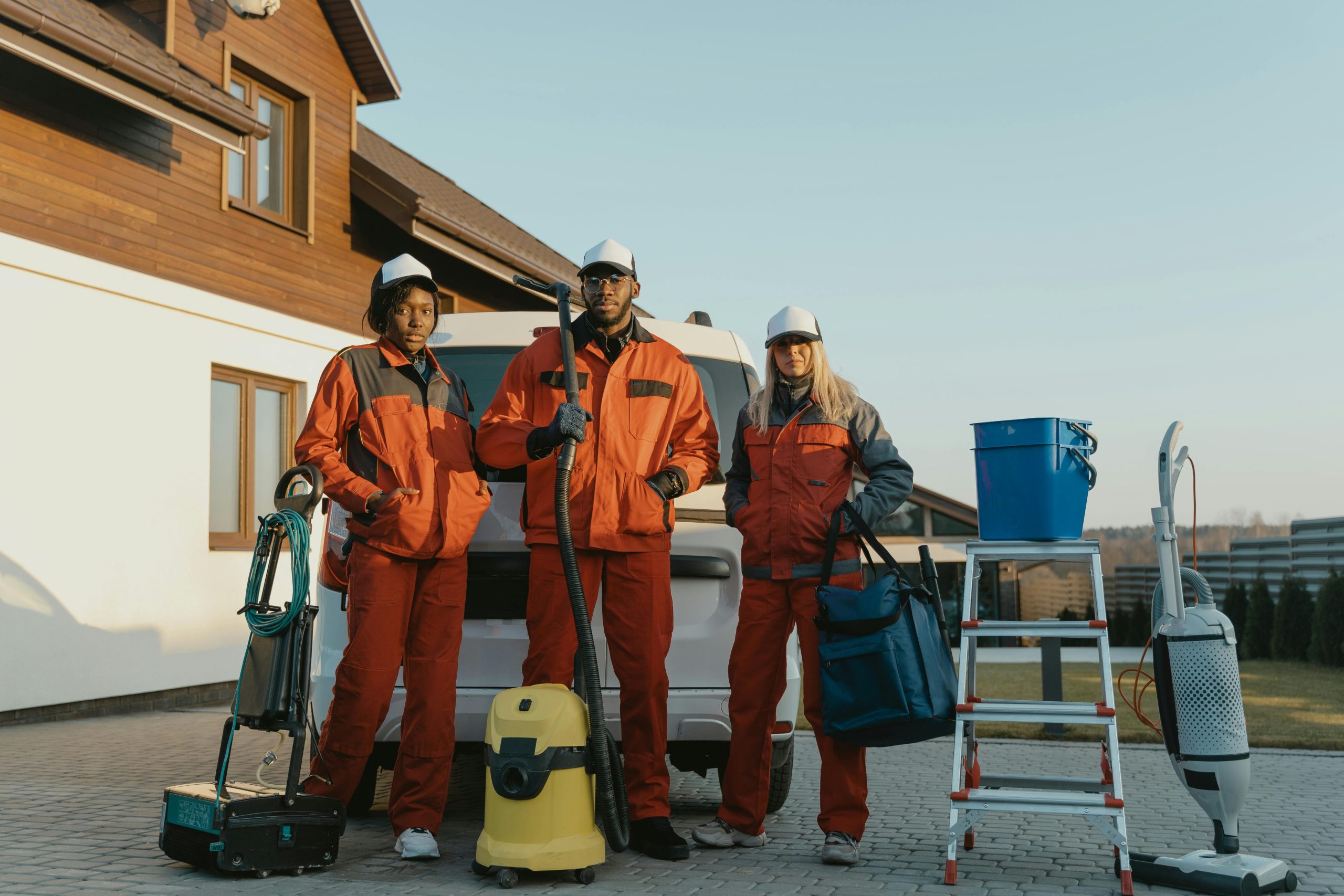
Selecting the right pressure washer is essential for achieving optimal results in your DIY projects. There are two main types of pressure washers: electric and gas-powered. Electric pressure washers are typically lighter and easier to maneuver, making them ideal for smaller jobs like cleaning patios or outdoor furniture. On the other hand, gas-powered models offer more power and are better suited for larger tasks such as cleaning driveways or siding.
When choosing a pressure washer, consider the PSI (pounds per square inch) and GPM (gallons per minute) ratings. A higher PSI means more cleaning power, while a higher GPM indicates faster cleaning. For most residential tasks, a pressure washer with a PSI between 1,500 and 3,000 will suffice. Additionally, look for features such as adjustable nozzles and detergent tanks to enhance your cleaning capabilities.
By selecting the right pressure washer tailored to your needs, you’ll set yourself up for success in your DIY pressure washing endeavors.
Tips for Effective DIY Pressure Washing
| Pressure Washing Tips | Description |
|---|---|
| Choose the Right Nozzle | Select a nozzle with the appropriate angle and size for the surface you are cleaning. |
| Maintain the Right Distance | Keep the nozzle at a consistent distance from the surface to avoid damage. |
| Use the Correct Pressure | Adjust the pressure based on the material being cleaned to avoid causing harm. |
| Prep the Area | Clear the area of any obstacles or delicate items before starting the pressure washing. |
| Work from Top to Bottom | Start at the top of the surface and work your way down to ensure thorough cleaning. |
To achieve the best results with your DIY pressure washing project, there are several tips to keep in mind. First and foremost, always start with a test area before tackling larger surfaces. This allows you to gauge the effectiveness of your chosen nozzle and pressure settings without risking damage to your property. Once you’ve found the right settings, work in sections to ensure thorough cleaning and avoid missing spots.
Another effective tip is to use the right cleaning solution. While water alone can remove dirt and grime, adding a specialized detergent can enhance the cleaning process significantly. Be sure to choose a detergent that is compatible with your pressure washer and safe for the surfaces you’re cleaning. Apply the detergent using a low-pressure setting and allow it to sit for a few minutes before rinsing it off with high-pressure water.
This will help break down tough stains and leave your surfaces looking pristine.
Revitalizing Your Driveway with DIY Pressure Washing
Your driveway is often one of the first things people notice about your home, making it essential to keep it clean. Over time, driveways can accumulate oil stains, dirt, and mildew that detract from your home’s curb appeal. DIY pressure washing is an effective way to revitalize this important area. Start by clearing any debris or loose dirt from the surface before applying detergent to break down stubborn stains.
When pressure washing your driveway, use a wide-angle nozzle to cover more ground efficiently. This will help you clean larger areas quickly while still providing enough power to remove tough stains. For particularly stubborn spots, consider using a scrub brush attachment to agitate the surface before rinsing it off with high-pressure water. The result will be a clean and inviting driveway that enhances your home’s overall appearance.
DIY Pressure Washing for Your Deck or Patio
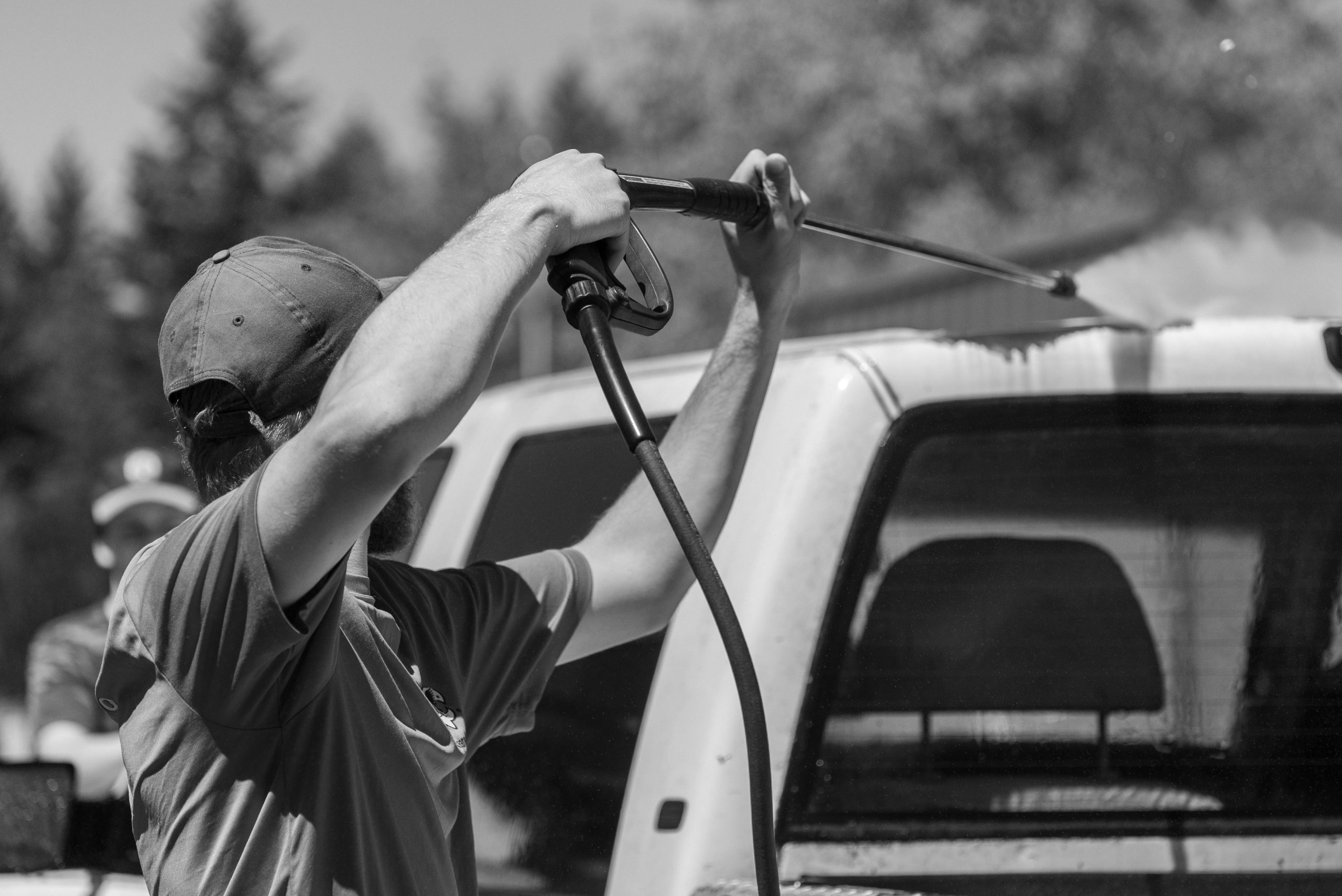
Revitalize Your Outdoor Spaces
Your deck or patio is another area that can greatly benefit from DIY pressure washing. Over time, these outdoor spaces can become dull and dirty due to exposure to the elements. Regular cleaning not only improves their appearance but also helps prolong their lifespan by preventing mold and mildew growth.
Preparation is Key
Begin by sweeping away any loose debris and applying a suitable cleaning solution designed for wood or composite materials.
Safe and Effective Pressure Washing
When pressure washing your deck or patio, it’s important to use a lower PSI setting. High pressure can damage wood fibers or dislodge composite materials, so take care to adjust your equipment accordingly. Use a fan spray nozzle to evenly distribute water across the surface while avoiding concentrated streams that could cause harm.
Finishing Touches
After thoroughly rinsing away the cleaning solution, allow your deck or patio to dry completely before applying any sealants or stains.
Cleaning Your Home’s Exterior with DIY Pressure Washing
The exterior of your home deserves just as much attention as your driveway or deck. Over time, dirt, algae, and mildew can accumulate on siding, brick, or stucco surfaces, making your home look worn down. DIY pressure washing is an excellent way to restore its original beauty.
Start by covering any windows or doors with plastic sheeting to protect them from water damage.
When cleaning your home’s exterior, use a low-pressure setting combined with an appropriate cleaning solution. This will help lift dirt without damaging the surface material. Work from the top down to prevent streaks and ensure that all areas are thoroughly cleaned. After rinsing off the detergent, step back and admire how much brighter and more inviting your home looks!
Maintaining Your DIY Pressure Washing Equipment
Proper maintenance of your pressure washing equipment is essential for ensuring its longevity and performance. After each use, take the time to clean out any debris from filters and nozzles to prevent clogs that could hinder performance during future projects. Additionally, store your pressure washer in a dry place away from extreme temperatures to protect its components. Regularly check hoses and connections for signs of wear or damage. Replacing worn parts promptly will help prevent leaks and ensure optimal performance when you need it most.
By taking these simple maintenance steps, you’ll keep your DIY pressure washing equipment in top shape for years to come. In conclusion, DIY pressure washing is an effective way to maintain the cleanliness and appearance of various surfaces around your home. By following safety precautions, choosing the right equipment, and employing effective techniques, you can achieve professional-looking results without breaking the bank.
So why wait? Grab your pressure washer today and start revitalizing your property!
FAQs
What is pressure washing?
Pressure washing is the use of high-pressure water spray to remove dirt, grime, loose paint, mold, and other types of buildup from surfaces such as buildings, vehicles, and concrete surfaces.
Is pressure washing safe to do yourself?
Pressure washing can be safe to do yourself if you take proper precautions and follow safety guidelines. It’s important to use the appropriate pressure for the surface being cleaned and to wear protective gear such as goggles and gloves.
What surfaces can be pressure washed?
Pressure washing can be used on a variety of surfaces including concrete, brick, siding, decks, and vehicles. It’s important to adjust the pressure and nozzle to the appropriate setting for each surface to avoid damage.
What equipment do I need for DIY pressure washing?
To do DIY pressure washing, you will need a pressure washer, appropriate nozzles for different pressure settings, protective gear such as goggles and gloves, and cleaning solutions if needed.
Are there any risks associated with pressure washing?
There are some risks associated with pressure washing, including the potential for injury from the high-pressure water spray and the risk of damaging surfaces if the pressure is too high or the nozzle is too close to the surface. It’s important to follow safety guidelines and use the appropriate pressure for each surface.
Can pressure washing damage surfaces?
Yes, pressure washing can damage surfaces if not done properly. Using too high of a pressure or holding the nozzle too close to the surface can cause damage such as etching or chipping. It’s important to adjust the pressure and distance from the surface accordingly.