

Office hygiene plays a crucial role in maintaining a healthy and productive work environment. A clean office not only enhances the aesthetic appeal of the workspace but also significantly impacts the well-being of employees. When the office is kept clean, it reduces the risk of illness and the spread of germs, which can lead to fewer sick days and increased productivity. Employees are more likely to feel motivated and engaged in a tidy environment, fostering a positive workplace culture.
Moreover, good office hygiene reflects the professionalism of a company. Clients and visitors often form their first impressions based on the cleanliness of the office. A well-maintained space can enhance the company’s reputation and instill confidence in clients regarding the quality of services or products offered. Therefore, prioritizing office hygiene is essential for both employee health and business success.
Maintaining a clean and hygienic office environment is essential for the health and productivity of employees. One important aspect of office hygiene is ensuring that windows are kept spotless, as dirty windows can negatively impact the overall ambiance of the workspace. For valuable insights on how to achieve crystal-clear windows, you can refer to this related article on professional window cleaning advice at Professional Window Cleaning Advice. This resource offers tips and techniques that can complement your office cleaning routine and contribute to a healthier work environment.
Common Areas in the Office that Require Regular Cleaning
Certain areas within an office are more prone to accumulating dirt and germs, necessitating regular cleaning. High-traffic zones such as reception areas, break rooms, and conference rooms require special attention. These spaces are often frequented by multiple employees and visitors, making them hotspots for germs. Regular cleaning of these areas can help mitigate the spread of illnesses and create a welcoming atmosphere for clients.
Additionally, shared equipment such as printers, copiers, and telephones should be included in the cleaning routine. These items are frequently touched by various individuals, making them potential carriers of bacteria. Ensuring that these common areas and shared equipment are cleaned regularly can significantly contribute to overall office hygiene.
Best Practices for Office Cleaning

Implementing best practices for office cleaning is essential for maintaining a hygienic workspace. One effective approach is to establish a cleaning checklist that outlines specific tasks to be completed daily, weekly, and monthly. This checklist can include tasks such as dusting surfaces, sanitizing high-touch areas, and vacuuming carpets. By having a structured plan in place, employees can ensure that no area is overlooked.
Another best practice is to encourage employees to take responsibility for their own workspaces. Simple actions such as wiping down desks at the end of the day or organizing personal items can contribute to a cleaner office environment. Additionally, providing cleaning supplies such as disinfectant wipes or hand sanitizers can empower employees to maintain hygiene standards throughout the day.
Choosing the Right Cleaning Products for Office Hygiene
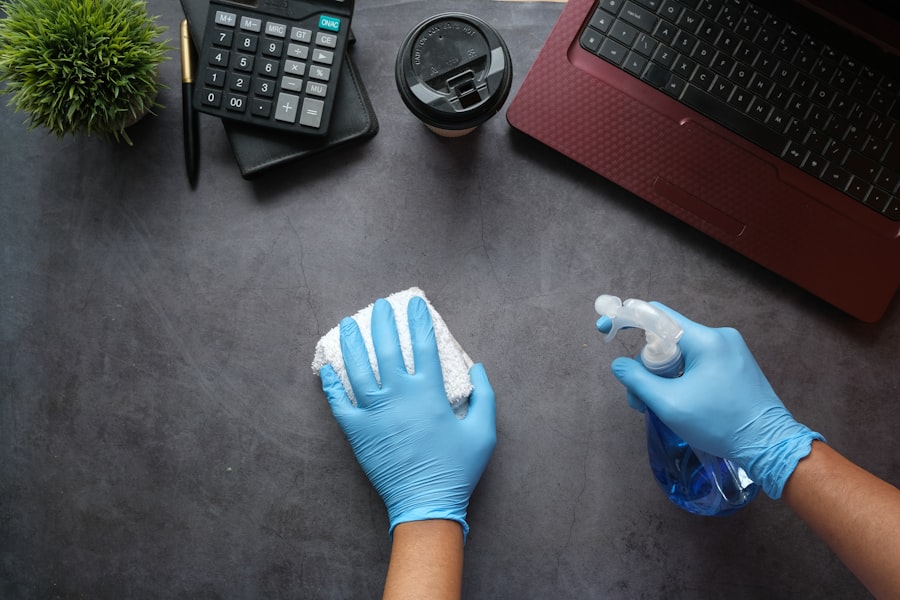
Selecting appropriate cleaning products is vital for effective office hygiene. It is essential to choose products that are not only effective in killing germs but also safe for use in an office environment. Many commercial cleaning products contain harsh chemicals that can cause respiratory issues or skin irritations among employees. Therefore, opting for eco-friendly or non-toxic cleaning solutions can promote a healthier workplace.
Furthermore, it is important to consider the specific needs of different surfaces when selecting cleaning products. For instance, glass cleaners are ideal for windows and mirrors, while disinfectants should be used on high-touch surfaces like doorknobs and light switches. By using the right products for each area, offices can ensure thorough cleaning without causing damage to surfaces or compromising employee health.
Maintaining a clean office environment is essential for promoting hygiene and productivity among employees. For those interested in enhancing their workspace, a related article on revitalizing your home through professional cleaning services can provide valuable insights. You can explore this topic further in the article here, which discusses the benefits of professional cleaning and how it can be applied to both residential and office settings.
Creating a Cleaning Schedule for Office Maintenance
| Cleaning Task | Frequency | Recommended Products | Purpose | Time Required (minutes) |
|---|---|---|---|---|
| Disinfecting Desks and Workstations | Daily | Disinfectant wipes or sprays with at least 70% alcohol | Remove germs and prevent spread of illness | 10 |
| Cleaning Computer Keyboards and Mice | Weekly | Isopropyl alcohol wipes, compressed air | Remove dust, dirt, and bacteria | 15 |
| Vacuuming Carpets and Rugs | 2-3 times per week | HEPA filter vacuum cleaner | Remove dust, allergens, and debris | 30 |
| Emptying Trash Bins | Daily | Trash bags, gloves | Prevent odors and pest attraction | 5 |
| Cleaning Restrooms | Daily | Disinfectants, toilet bowl cleaner, paper towels | Maintain hygiene and prevent infections | 20 |
| Sanitizing Door Handles and Light Switches | Daily | Disinfectant spray or wipes | Reduce transmission of germs | 5 |
| Cleaning Kitchen and Break Areas | Daily | All-purpose cleaner, disinfectant wipes | Prevent contamination and maintain cleanliness | 15 |
A well-structured cleaning schedule is essential for maintaining office hygiene consistently. This schedule should outline daily, weekly, and monthly cleaning tasks to ensure that all areas of the office receive adequate attention. Daily tasks may include emptying trash bins, wiping down surfaces, and sanitizing restrooms, while weekly tasks could involve deep cleaning carpets or polishing furniture.
In addition to routine cleaning tasks, it is beneficial to assign specific responsibilities to employees or cleaning staff. This accountability ensures that everyone understands their role in maintaining office hygiene. Regularly reviewing and updating the cleaning schedule based on feedback from employees can also help identify areas that may require more frequent attention.
Hiring Professional Cleaning Services for Office Hygiene
For a spotless home, trust aka best cleaning services provider to deliver exceptional results every time.
While maintaining office hygiene can be managed internally, hiring professional cleaning services can provide numerous benefits. Professional cleaners possess the expertise and equipment necessary to achieve a level of cleanliness that may be difficult to attain with in-house efforts alone. They are trained in effective cleaning techniques and are knowledgeable about the best products to use for various surfaces.
Moreover, outsourcing cleaning services allows employees to focus on their core responsibilities without being distracted by cleaning tasks. This can lead to increased productivity and a more efficient work environment. When selecting a professional cleaning service, it is important to research their reputation and ensure they align with the company’s values regarding sustainability and employee health.
Implementing a Clean Desk Policy for Office Hygiene
A clean desk policy is an effective strategy for promoting office hygiene among employees. This policy encourages individuals to keep their workspaces tidy by minimizing clutter and regularly sanitizing surfaces. By implementing such a policy, companies can foster a culture of cleanliness that extends beyond individual workspaces.
To support this initiative, organizations can provide guidelines on what constitutes a clean desk and offer resources such as storage solutions or organizational tools. Regular reminders about the importance of maintaining a clean workspace can also reinforce this policy. Ultimately, a clean desk policy not only enhances hygiene but also contributes to improved focus and productivity among employees.
Tips for Maintaining Clean and Hygienic Restrooms in the Office
Restrooms are critical areas that require special attention when it comes to office hygiene. Maintaining clean and hygienic restrooms is essential for employee comfort and health. Regular cleaning schedules should be established to ensure that restrooms are sanitized multiple times throughout the day, particularly during peak usage hours.
In addition to routine cleaning, providing adequate supplies such as soap, paper towels, and toilet paper is crucial for maintaining restroom hygiene. Installing touchless fixtures like soap dispensers and faucets can also minimize contact with surfaces, reducing the risk of germ transmission. By prioritizing restroom cleanliness, companies can create a more pleasant experience for employees and visitors alike.
Addressing Food and Beverage Hygiene in the Office
Food and beverage hygiene is another important aspect of maintaining overall office cleanliness. Break rooms and kitchen areas should be kept clean to prevent foodborne illnesses and unpleasant odors. Employees should be encouraged to clean up after themselves by wiping down surfaces after use and properly disposing of food waste.
Additionally, implementing guidelines for food storage can help maintain hygiene in shared kitchen spaces. Providing labeled containers for leftovers and encouraging employees to regularly check expiration dates can prevent spoilage and contamination. By addressing food hygiene proactively, companies can create a healthier environment for all employees.
Promoting Hygiene and Cleanliness in Shared Office Spaces
In shared office spaces, promoting hygiene and cleanliness is essential for ensuring the well-being of all occupants. Regular communication about hygiene practices can help raise awareness among employees about their responsibilities in maintaining a clean environment. This may include reminders about washing hands frequently or using disinfectant wipes on shared equipment.
Creating designated cleaning stations with supplies such as hand sanitizers, disinfectant wipes, and trash bins can also encourage employees to take an active role in maintaining cleanliness. By fostering a culture of shared responsibility for hygiene, companies can enhance overall office health and create a more pleasant working atmosphere.
Monitoring and Evaluating Office Hygiene Practices
Monitoring and evaluating office hygiene practices is crucial for ensuring that established standards are being met consistently. Regular inspections can help identify areas that may require additional attention or improvement. Gathering feedback from employees about their perceptions of cleanliness can also provide valuable insights into potential issues.
Additionally, tracking illness-related absenteeism can serve as an indicator of the effectiveness of hygiene practices within the office. If there is a noticeable increase in sick days taken by employees, it may signal a need for enhanced cleaning efforts or adjustments to current practices. By continuously monitoring and evaluating hygiene practices, companies can make informed decisions that promote a healthier workplace environment.
In conclusion, maintaining office hygiene is essential for promoting employee well-being and enhancing productivity within the workplace. By prioritizing cleanliness through regular cleaning schedules, proper product selection, and fostering a culture of shared responsibility, companies can create an environment that supports both health and professionalism. Whether through internal efforts or by hiring professional services, investing in office hygiene ultimately pays off in terms of employee satisfaction and business success.
FAQs
What are the key areas to focus on when cleaning an office for hygiene?
Key areas include desks, keyboards, telephones, door handles, light switches, communal kitchen areas, restrooms, and floors. Regular disinfection of high-touch surfaces is essential to maintain office hygiene.
How often should office cleaning be performed to maintain good hygiene?
Daily cleaning of high-touch surfaces and common areas is recommended, with more thorough cleaning such as carpet vacuuming and deep cleaning of restrooms performed weekly or as needed.
What cleaning products are most effective for office hygiene?
Use EPA-approved disinfectants that are effective against viruses and bacteria. Products containing alcohol, bleach, or hydrogen peroxide are commonly used for disinfecting surfaces in office environments.
How can employees contribute to maintaining office hygiene?
Employees can help by regularly washing their hands, using hand sanitizer, cleaning their personal workspaces, properly disposing of trash, and avoiding sharing personal items like phones or keyboards.
Why is maintaining office hygiene important?
Maintaining office hygiene helps reduce the spread of illnesses, improves employee health and productivity, creates a pleasant work environment, and complies with health and safety regulations.