

You may not realize it, but the cleanliness of your windows plays a significant role in the overall appearance of your home. Regular window cleaning not only enhances the aesthetic appeal of your property but also allows more natural light to enter your living spaces. When dirt, grime, and smudges accumulate on your windows, they can obstruct your view and diminish the brightness of your rooms.
By committing to a regular cleaning schedule, you can ensure that your windows remain clear and inviting, creating a more pleasant atmosphere for you and your guests. Moreover, maintaining clean windows can extend their lifespan. Over time, contaminants such as hard water, bird droppings, and environmental pollutants can cause damage to the glass and frames.
If left unaddressed, these issues can lead to costly repairs or even the need for window replacement. By prioritizing regular cleaning, you not only preserve the integrity of your windows but also protect your investment in your home.
Key Takeaways
- Regular window cleaning is important for maintaining the appearance and longevity of your windows
- Essential tools and equipment for window cleaning include a squeegee, scrubber, bucket, and microfiber cloth
- Choosing the right cleaning solution is crucial to avoid damaging your windows, opt for a mild detergent or vinegar solution
- Proper technique for cleaning windows involves starting from the top and working your way down in a systematic manner
- To clean hard-to-reach windows, use a ladder or extension pole with a squeegee attachment for safety and efficiency
Tools and Equipment Needed for Window Cleaning
Before you embark on your window cleaning journey, it’s essential to gather the right tools and equipment. You’ll want to start with a sturdy ladder if you’re tackling high windows, ensuring it’s stable and secure before climbing. A squeegee is another indispensable tool; it allows you to remove water and cleaning solution efficiently without leaving streaks behind.
Additionally, a bucket for holding your cleaning solution and a scrubber or sponge for applying it will make the process much smoother. Don’t forget about microfiber cloths or lint-free towels for drying and polishing the glass after cleaning. These materials are gentle on surfaces and help prevent scratches while effectively removing any remaining residue.
If you have particularly stubborn stains or hard-to-reach areas, consider investing in a window cleaning extension pole or a specialized window cleaning brush. With the right tools at your disposal, you’ll be well-equipped to tackle any window cleaning task that comes your way.
Choosing the Right Cleaning Solution

Selecting the appropriate cleaning solution is crucial for achieving sparkling clean windows. You have several options available, ranging from commercial window cleaners to homemade solutions. If you prefer a store-bought cleaner, look for one that is ammonia-free to avoid damaging window frames or tinting.
Many products are specifically formulated to cut through grime and leave a streak-free finish, making them ideal for residential use. If you’re inclined towards a DIY approach, mixing equal parts of water and white vinegar can create an effective and eco-friendly cleaning solution. Vinegar is known for its ability to dissolve mineral deposits and grease, making it an excellent choice for window cleaning.
Alternatively, you can add a few drops of dish soap to warm water for a gentle yet effective cleaner. Whichever solution you choose, ensure that it’s suitable for your specific window type to avoid any potential damage.
Proper Technique for Cleaning Windows
| Technique | Description |
|---|---|
| Use the right tools | Choose a squeegee, microfiber cloth, and a bucket of soapy water. |
| Start from the top | Begin cleaning from the top of the window to prevent streaks. |
| Use horizontal strokes | Wipe the window using horizontal strokes for a more even clean. |
| Dry with a microfiber cloth | Use a dry microfiber cloth to remove any remaining water and prevent streaks. |
| Check for streaks | Inspect the window for streaks and re-clean if necessary. |
Once you have your tools and cleaning solution ready, it’s time to dive into the actual cleaning process. Start by removing any dust or debris from the window frame and sill using a dry cloth or duster. This step is essential as it prevents dirt from mixing with your cleaning solution and creating a muddy mess on the glass.
Afterward, apply your chosen cleaning solution generously to the window surface using a scrubber or sponge. When it comes to using the squeegee, employ a top-to-bottom motion for optimal results. Start at one corner of the window and pull the squeegee across the glass in a straight line, wiping the blade with a cloth after each pass to avoid redistributing dirt.
This technique not only ensures that you remove all moisture but also minimizes streaks. For larger windows, you may find it helpful to work in sections, repeating this process until the entire surface is clean and clear.
Tips for Cleaning Hard-to-Reach Windows
Cleaning hard-to-reach windows can be a daunting task, but with some clever strategies, you can make it manageable. If you have windows located on higher floors or in awkward positions, consider using an extension pole with a squeegee attachment. This tool allows you to clean from a safe distance without needing to climb precariously on ladders.
Additionally, some extension poles come with adjustable angles, making it easier to reach those tricky spots. If you’re still struggling with access, don’t hesitate to enlist help from a professional window cleaning service. They have specialized equipment and expertise that can ensure your windows are cleaned thoroughly without risking injury or damage to your property.
Remember that safety should always be your top priority when dealing with hard-to-reach areas.
How to Clean Window Screens
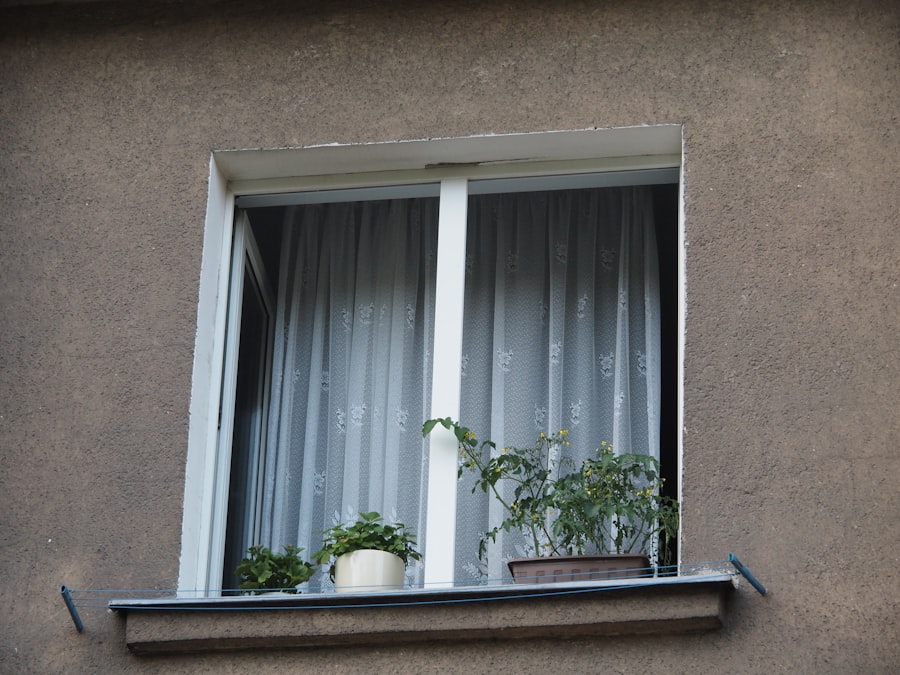
Window screens often accumulate dust and debris over time, which can hinder airflow and diminish your view. Cleaning them is an essential part of maintaining your windows’ overall cleanliness. To start, carefully remove the screens from their frames; most screens can be easily lifted out without any tools.
Once removed, take them outside for easier cleaning. Using a soft brush or vacuum attachment, gently remove loose dirt and dust from both sides of the screen. For more stubborn grime, mix a mild soap solution with water and use a sponge or cloth to wipe down the screens thoroughly.
Rinse them with clean water to remove any soap residue before allowing them to dry completely before reinstallation. By keeping your screens clean, you’ll enhance both their functionality and appearance.
Maintaining Window Frames and Sills
While cleaning the glass is crucial, don’t overlook the importance of maintaining window frames and sills as well. These areas can collect dirt, dust, and moisture over time, leading to potential damage if not addressed regularly. Start by wiping down the frames and sills with a damp cloth during your window cleaning routine to remove any accumulated debris.
For wooden frames, consider applying a protective sealant or paint every few years to prevent moisture damage and decay. If you have vinyl or aluminum frames, a simple wash with soapy water will suffice to keep them looking fresh. Regular maintenance not only enhances the appearance of your windows but also helps prevent costly repairs down the line.
Dealing with Stubborn Stains and Spots
Despite your best efforts, you may encounter stubborn stains or spots on your windows that refuse to budge. Common culprits include hard water stains, bird droppings, or tree sap. To tackle these issues effectively, start by soaking the affected area with your cleaning solution for several minutes to loosen the grime.
For hard water stains specifically, consider using a mixture of baking soda and vinegar as a gentle abrasive cleaner. Apply this paste directly onto the stain and let it sit before scrubbing gently with a soft cloth or sponge. For more persistent spots like tree sap, rubbing alcohol can be effective; apply it directly onto the stain and wipe away with a clean cloth.
With patience and persistence, you can restore your windows to their pristine condition.
Preventing Water Streaks and Residue
One of the most frustrating aspects of window cleaning is dealing with streaks and residue left behind after washing. To minimize this issue, ensure that you’re using clean tools—dirty squeegees or cloths can transfer grime back onto the glass surface. Additionally, avoid cleaning windows in direct sunlight; heat can cause cleaning solutions to dry too quickly, leading to streaks.
Another tip is to use a two-bucket method: one bucket for your cleaning solution and another for rinsing your squeegee after each pass. This practice helps prevent dirt from being reintroduced onto the glass surface during cleaning. By following these strategies, you’ll be well on your way to achieving streak-free windows that shine brightly.
Safety Precautions for Window Cleaning
Safety should always be at the forefront of any home maintenance task, especially when it comes to window cleaning. If you’re using a ladder to reach high windows, ensure that it’s placed on stable ground and that someone is nearby to assist if needed. Always maintain three points of contact when climbing—two hands and one foot or two feet and one hand—to reduce the risk of falling.
Additionally, consider wearing gloves when handling cleaning solutions to protect your skin from irritation. If you’re working with harsh chemicals or if you have sensitive skin, goggles may also be advisable to shield your eyes from splashes. By taking these precautions seriously, you can enjoy peace of mind while ensuring that your window cleaning efforts are both effective and safe.
Scheduling Regular Window Maintenance
To keep your windows looking their best year-round, consider establishing a regular maintenance schedule. Depending on your environment—such as proximity to trees or high levels of pollution—you may need to clean your windows more frequently than others. A good rule of thumb is to clean both the interior and exterior of your windows at least twice a year.
In addition to regular cleanings, take note of any signs of wear or damage during each maintenance session. Addressing issues promptly can prevent more significant problems down the line and ensure that your windows remain functional and beautiful for years to come. By committing to regular window maintenance, you’ll not only enhance your home’s curb appeal but also protect one of its most valuable features—your windows.
FAQs
What is window cleaning maintenance?
Window cleaning maintenance refers to the regular cleaning and upkeep of windows to ensure they remain clean, clear, and in good condition. This can include removing dirt, grime, and streaks from the glass, as well as cleaning the window frames and sills.
Why is window cleaning maintenance important?
Regular window cleaning maintenance is important for several reasons. It helps to maintain the appearance of a building, improves natural light transmission, and can extend the lifespan of the windows by preventing damage from dirt and debris buildup.
How often should window cleaning maintenance be performed?
The frequency of window cleaning maintenance can vary depending on factors such as the location of the building, the surrounding environment, and the type of windows. In general, it is recommended to clean windows at least twice a year, but buildings in high-traffic or high-pollution areas may require more frequent cleaning.
What are the benefits of professional window cleaning maintenance?
Professional window cleaning maintenance can provide a thorough and efficient cleaning, using specialized equipment and techniques to achieve a streak-free and spotless finish. Additionally, professional cleaners are trained to work safely at heights, making it a safer option for tall or hard-to-reach windows.
What are some common methods used for window cleaning maintenance?
Common methods for window cleaning maintenance include using a squeegee and cleaning solution, microfiber cloths, and water-fed poles for exterior windows. Some professional cleaners may also use specialized equipment such as pressure washers or steam cleaners for certain types of windows.