

When it comes to maintaining a clean and inviting home, upholstery fabric cleaning is often overlooked. You may not realize it, but the fabric on your furniture can harbor dust, allergens, and bacteria that can affect your health and the overall atmosphere of your living space. Regular cleaning not only enhances the appearance of your furniture but also prolongs its lifespan.
By investing time in upholstery cleaning, you are ensuring that your home remains a safe and comfortable environment for you and your loved ones. Moreover, upholstery cleaning can significantly improve the air quality in your home. Dust mites, pet dander, and other pollutants can accumulate in the fibers of your upholstery, leading to respiratory issues and allergies.
By keeping your upholstery clean, you are actively reducing these harmful particles, creating a healthier living space. You might be surprised at how much fresher your home feels after a thorough upholstery cleaning session.
Key Takeaways
- Regular upholstery fabric cleaning is important to maintain the appearance and longevity of your furniture.
- Choose cleaning products specifically designed for upholstery fabric to avoid damage and ensure effective cleaning.
- Prepare your furniture for cleaning by removing any debris and testing cleaning products in an inconspicuous area.
- Safely test cleaning products on upholstery fabric to ensure they do not cause discoloration or damage.
- Act quickly to remove stains and spills from upholstery fabric using appropriate cleaning techniques.
Choosing the Right Cleaning Products for Upholstery Fabric
Selecting the appropriate cleaning products for your upholstery fabric is crucial to achieving the best results without causing damage. You should always check the care label on your furniture before choosing a cleaning solution. Some fabrics may require specific types of cleaners, while others may be more forgiving.
For instance, natural fibers like cotton and linen may respond well to gentle, eco-friendly cleaners, while synthetic fabrics might require stronger solutions. In addition to considering the fabric type, you should also think about the environmental impact of the products you choose. Opting for biodegradable and non-toxic cleaners not only protects your furniture but also contributes to a healthier planet.
You may find that many brands offer specialized upholstery cleaners that are designed to tackle tough stains while being gentle on the fabric. Always read reviews and do your research to ensure you are selecting a product that is both effective and safe for your upholstery.
Steps to Prepare Your Furniture for Upholstery Fabric Cleaning
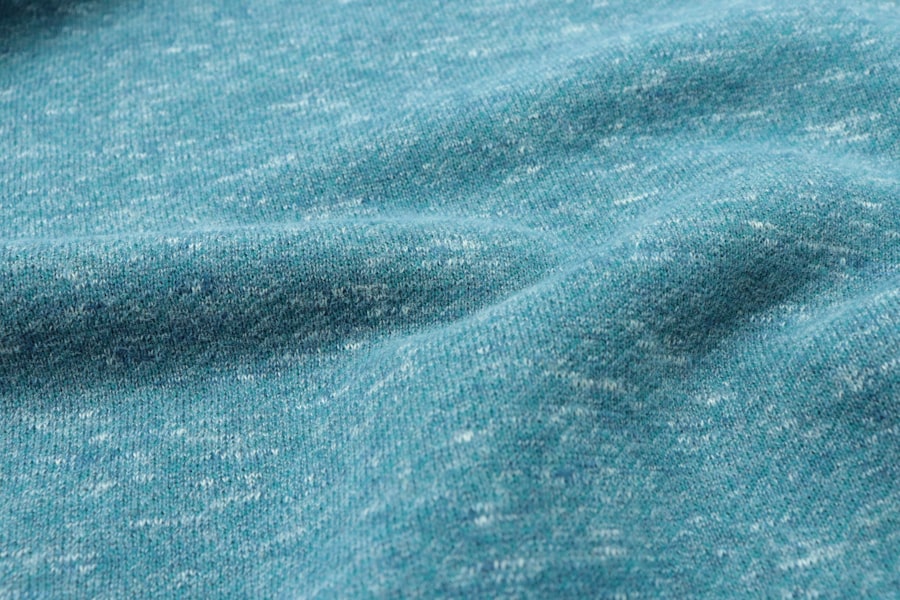
Before diving into the cleaning process, it’s essential to prepare your furniture properly. Start by removing any loose items such as cushions, throws, or decorative pillows. This will give you better access to the fabric and ensure that you can clean every nook and cranny effectively.
You might also want to vacuum the upholstery to remove any surface dirt and debris. Using a vacuum with an upholstery attachment can help you reach tight spaces and ensure a thorough clean. Once you’ve vacuumed, inspect the fabric for any stains or areas that require special attention.
Identifying these spots beforehand will allow you to treat them more effectively during the cleaning process. If you have pets or children, you may find that certain areas need extra care. Taking the time to prepare your furniture will make the actual cleaning process smoother and more efficient.
How to Safely Test Cleaning Products on Upholstery Fabric
| Testing Method | Result |
|---|---|
| Spot Testing | Check for colorfastness and fabric reaction |
| Testing on Hidden Area | Ensure no damage or discoloration |
| Observation Period | Monitor fabric for 24-48 hours after testing |
| Consult Manufacturer Guidelines | Follow specific recommendations for the fabric |
Before applying any cleaning product to your upholstery fabric, it’s vital to conduct a patch test. This step will help you determine whether the cleaner is safe for your specific fabric type without causing discoloration or damage. To perform a patch test, choose an inconspicuous area of the upholstery, such as the back of a cushion or underneath a seat.
Apply a small amount of the cleaner and wait for a few minutes to see how the fabric reacts. If there is no adverse reaction after testing, you can proceed with confidence. However, if you notice any discoloration or damage during the patch test, it’s best to try a different product or consult a professional cleaner.
This precautionary step can save you from costly mistakes and ensure that your upholstery remains in excellent condition.
Tips for Removing Stains and Spills from Upholstery Fabric
Accidents happen, and knowing how to handle stains promptly can make all the difference in preserving your upholstery fabric. When dealing with spills, act quickly by blotting the area with a clean cloth or paper towel to absorb as much liquid as possible. Avoid rubbing the stain, as this can push it deeper into the fibers and make it harder to remove.
For specific stains, such as wine or coffee, you may need to use a specialized cleaning solution. Always follow the instructions on the product label and remember to test it on an inconspicuous area first. If you’re unsure about how to treat a particular stain, consider consulting online resources or professional cleaners for advice tailored to your situation.
Techniques for Deep Cleaning Upholstery Fabric
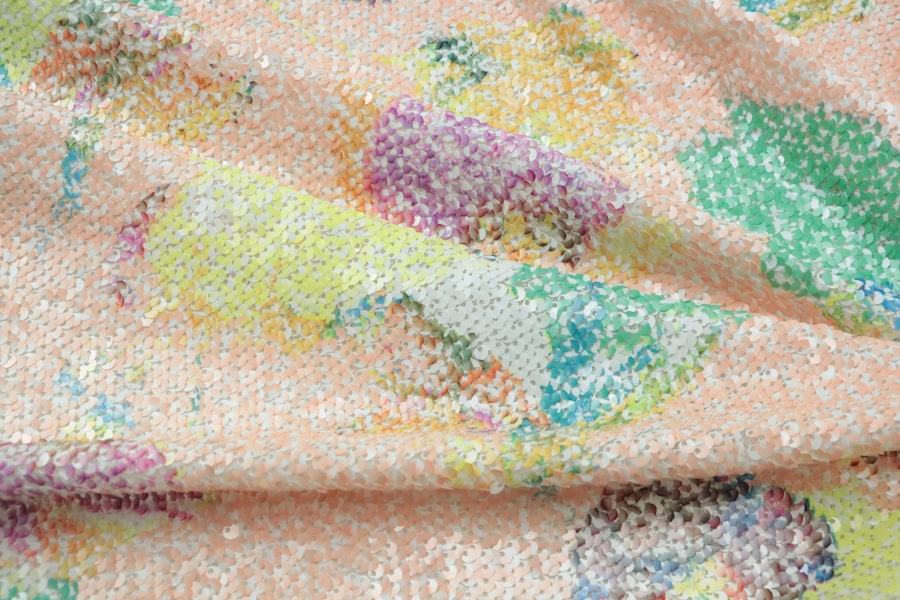
Deep cleaning your upholstery fabric is essential for maintaining its appearance and longevity. One effective method is steam cleaning, which uses high-temperature steam to penetrate deep into the fibers and lift dirt and grime without harsh chemicals. If you have access to a steam cleaner, follow the manufacturer’s instructions carefully for optimal results.
Another technique involves using a mixture of water and mild detergent applied with a soft brush or cloth. Gently scrub the fabric in circular motions to lift dirt while being careful not to saturate it too much. Afterward, use a clean damp cloth to wipe away any soap residue.
Allow the upholstery to air dry completely before using it again to prevent mold or mildew growth.
Preventing Future Stains and Damage to Upholstery Fabric
Taking proactive measures can help prevent future stains and damage to your upholstery fabric. One effective strategy is to use protective sprays designed specifically for upholstery. These products create a barrier against spills and stains while allowing the fabric to breathe.
Applying such treatments regularly can significantly extend the life of your furniture. Additionally, consider implementing some household rules regarding food and drink consumption near upholstered furniture. Encouraging family members and guests to be mindful can go a long way in preventing accidental spills.
Regular maintenance, such as vacuuming and spot cleaning, will also help keep your upholstery looking fresh and new.
Understanding the Different Types of Upholstery Fabric and Their Cleaning Needs
Upholstery fabrics come in various types, each with unique characteristics and cleaning requirements. Natural fibers like cotton and wool are generally more absorbent but may require gentle cleaning methods to avoid shrinkage or damage. On the other hand, synthetic fabrics like polyester are often more durable and resistant to stains but may still need special care depending on their construction.
Understanding these differences will help you tailor your cleaning approach effectively. For instance, while cotton may benefit from steam cleaning, synthetic fabrics might respond better to chemical cleaners designed specifically for them.
While DIY methods can be effective for routine maintenance, there are times when professional upholstery cleaning is warranted. If your furniture has deep-set stains or has not been cleaned in years, enlisting the help of professionals can yield remarkable results. They have access to specialized equipment and products that can penetrate deep into the fibers, ensuring a thorough clean that DIY methods may not achieve.
However, if you prefer a hands-on approach or have minor stains that need addressing, DIY methods can be quite effective as well. Just remember that regular maintenance is key; if you stay on top of cleaning tasks, you may find that professional services are needed less frequently.
How to Maintain Clean Upholstery Fabric in the Long Term
Maintaining clean upholstery fabric requires consistent effort but pays off in longevity and appearance. Regular vacuuming is essential; aim for at least once a week to remove dust and debris before they settle into the fibers. Additionally, consider rotating cushions periodically to ensure even wear across all surfaces.
You might also want to schedule professional cleanings every 12-18 months, depending on usage levels and household conditions such as pets or children. This proactive approach will help keep your upholstery looking its best while extending its lifespan.
Benefits of Regular Upholstery Fabric Cleaning for Your Furniture
Regular upholstery fabric cleaning offers numerous benefits beyond just aesthetics. It helps maintain air quality by reducing allergens and pollutants trapped in the fibers, creating a healthier living environment for you and your family. Furthermore, consistent cleaning can prevent permanent stains from setting in, saving you money on costly repairs or replacements down the line.
Additionally, clean upholstery enhances the overall ambiance of your home. It creates an inviting atmosphere for guests while making everyday living more enjoyable for you and your family. By prioritizing regular upholstery cleaning, you’re investing in both your health and comfort—an investment that pays dividends in countless ways over time.
By following these guidelines—from choosing appropriate cleaning products to implementing preventive measures—you can ensure that your furniture remains in excellent condition for years to come. Whether you opt for DIY methods or professional services, taking action now will lead to lasting benefits for both your home and well-being.
FAQs
What is upholstery fabric cleaning?
Upholstery fabric cleaning is the process of removing dirt, stains, and odors from the fabric covering furniture such as sofas, chairs, and ottomans.
Why is upholstery fabric cleaning important?
Regular upholstery fabric cleaning helps to maintain the appearance and longevity of furniture, as well as creating a healthier indoor environment by removing allergens and bacteria.
What are the common methods for upholstery fabric cleaning?
Common methods for upholstery fabric cleaning include steam cleaning, dry cleaning, and using specialized upholstery cleaning products.
Can I clean upholstery fabric myself?
While it is possible to clean upholstery fabric yourself, it is recommended to hire a professional upholstery cleaning service to ensure thorough and safe cleaning.
How often should upholstery fabric be cleaned?
The frequency of upholstery fabric cleaning depends on factors such as usage, presence of pets, and exposure to spills and stains. Generally, it is recommended to clean upholstery fabric at least once a year.
What are the benefits of professional upholstery fabric cleaning?
Professional upholstery fabric cleaning ensures deep cleaning, removal of tough stains, and the use of specialized equipment and products to protect the fabric and extend its lifespan.